Why You May Feel Constantly Tired: 11 Signs of Potassium Deficiency
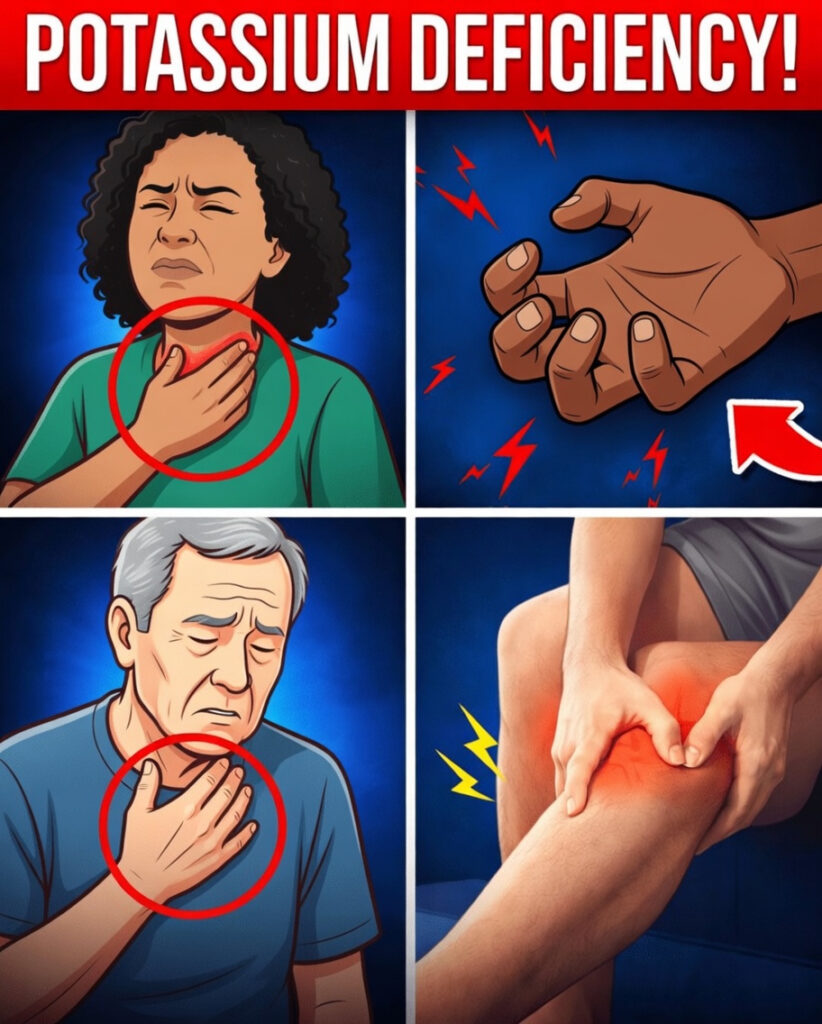
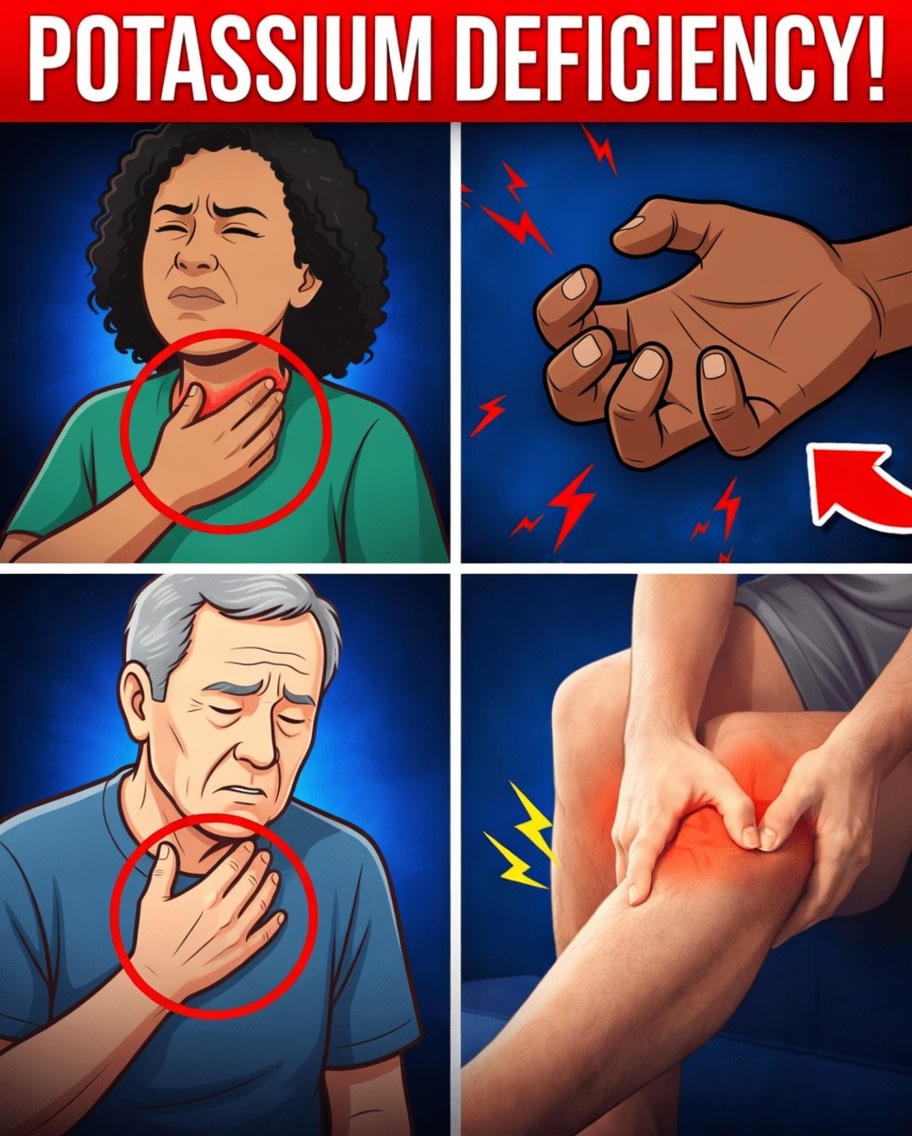
If you feel exhausted no matter how much you sleep, or sudden muscle cramps keep interrupting your day, it is natural to wonder why routine activities suddenly feel so difficult. These frustrating symptoms may be linked to potassium deficiency, also called hypokalemia, a condition that can quietly affect your energy, muscle performance, and overall health before you realize what is happening.
Low potassium can gradually make daily life feel more demanding. It may affect your mood, reduce productivity, and make it harder to stay active and confident in your health. The encouraging part is that recognizing the early signs of potassium deficiency can help you take supportive action sooner. And before the end of this guide, you will also discover one simple everyday habit that may help more than you expect.
What Is Potassium Deficiency and Why Is It Important?
Potassium is an essential mineral your body needs to keep the nerves, muscles, and heart working properly. When potassium levels drop too low, important body functions can become less efficient. Many people experience mild potassium deficiency for a long time without realizing their symptoms may be connected.
A lack of potassium-rich foods, ongoing digestive losses, or certain lifestyle factors can slowly lead to an imbalance. When that happens, you may notice changes that affect everything from exercise performance to your ability to relax at the end of the day. Learning how potassium deficiency shows up can help you protect your energy and well-being.
11 Common Warning Signs of Low Potassium
Potassium deficiency often does not begin with dramatic symptoms. In many cases, it appears through subtle changes that are easy to dismiss as stress, fatigue, or getting older. Below are 11 common signs associated with low potassium levels.
1. Ongoing Fatigue
Feeling tired even after a full night of rest is one of the most common signs of potassium deficiency. Since potassium helps cells function efficiently, low levels may leave you feeling drained throughout the day.
Instead of feeling naturally energized, you may find yourself depending on caffeine just to get through work, errands, or family responsibilities. If this kind of fatigue keeps lingering, potassium imbalance may be worth considering.
2. Muscle Weakness
If climbing stairs, lifting groceries, or completing a workout suddenly feels harder than usual, muscle weakness may be part of the picture. Potassium plays a major role in helping muscles contract normally.
When levels are too low, the signals muscles rely on become less effective. This can leave you feeling physically limited and less confident in your strength and stamina.
3. Muscle Cramps and Spasms
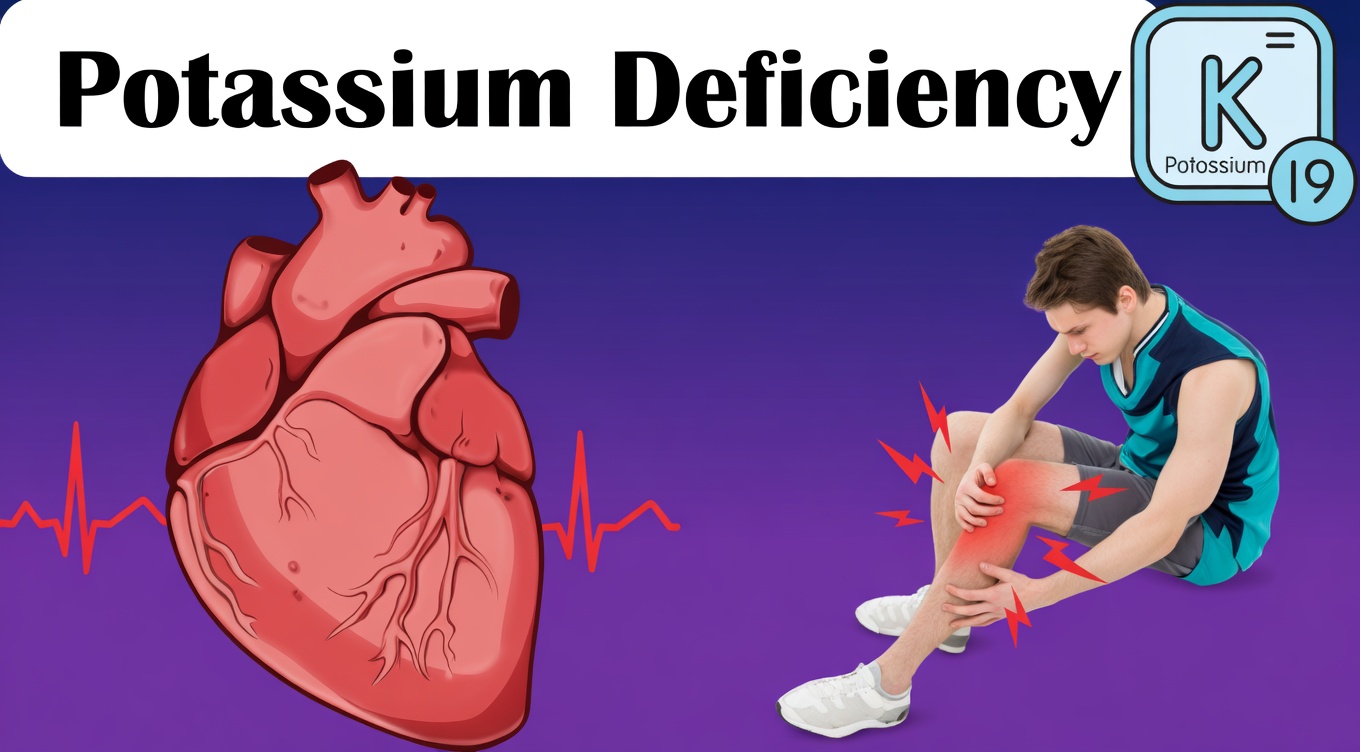
Painful cramps, especially at night or during exercise, are another well-known sign of potassium deficiency. These episodes can be sharp, sudden, and disruptive.
Because potassium helps maintain normal muscle contraction, a deficiency can make cramping more likely. Paying attention to your mineral intake may help reduce how often these spasms occur.
4. Tingling or Numbness
A recurring pins-and-needles sensation in the hands, feet, or other extremities may also be linked to low potassium. Since potassium supports healthy nerve signaling, deficiency can sometimes lead to unusual sensations.
This can make daily activities like typing, driving, or even relaxing feel uncomfortable and distracting.
5. Heart Palpitations
A racing heartbeat or the feeling that your heart is skipping beats can be alarming. Potassium is vital for maintaining a steady heart rhythm, so low levels may contribute to palpitations.
For some people, this symptom is what first leads them to look more closely at their potassium status.

6. Constipation and Digestive Sluggishness
Digestive discomfort is an often-overlooked sign of potassium deficiency. Because potassium supports muscle activity throughout the digestive tract, low levels can slow bowel movements.
This may lead to constipation, bloating, and a general heavy, sluggish feeling during the day.
7. Constant Thirst
If you often feel thirsty even after drinking water, potassium deficiency may be one possible reason. Potassium helps regulate fluid balance in the body, so when levels are low, hydration can feel harder to maintain.
That lingering thirst can become distracting and may also affect concentration.
8. Frequent Urination
Going to the bathroom more often than usual can also be associated with low potassium. Because potassium influences fluid regulation and kidney function, deficiency may contribute to more frequent urination.
This symptom can interfere with sleep, work, travel, and overall comfort.
9. Dizziness or Lightheadedness
Feeling dizzy when standing up or moving quickly can be another clue. Potassium helps support proper blood pressure regulation, and low levels may increase the chance of feeling unsteady.
Even simple everyday movements can start to feel less secure when this symptom appears regularly.
10. Nausea or Reduced Appetite
Potassium deficiency can also affect the muscles involved in digestion, which may contribute to nausea or a loss of appetite. You may feel too uncomfortable to eat, even though proper nutrition is exactly what your body needs.
This can create a cycle where low intake makes recovery even more difficult.
11. Mood Changes and Irritability
Low potassium may also influence emotional well-being. Since this mineral supports nerve and brain function, deficiency can sometimes contribute to irritability, mood swings, or feeling unusually low.
These emotional shifts can affect relationships and everyday motivation, making the impact of potassium deficiency feel even broader.

Why Potassium Deficiency Should Not Be Ignored
Potassium deficiency rarely affects just one part of the body. Because potassium is involved in muscle function, nerve communication, heart rhythm, and fluid balance, low levels can influence many systems at once.
That is why symptoms may seem unrelated at first. Fatigue, cramps, digestive changes, palpitations, and mood shifts may all trace back to the same underlying imbalance. Understanding this bigger picture can make it easier to respond early and more effectively.
Simple Ways to Support Healthy Potassium Levels
The good news is that supporting potassium balance often begins with small, consistent choices. Research suggests that eating more potassium-rich foods can help maintain healthy levels when paired with overall healthy habits.
Try adding more of these foods to your routine:
- Bananas and oranges for an easy, naturally sweet snack or smoothie ingredient
- Spinach and other leafy greens to boost salads, soups, and stir-fries
- Avocados and sweet potatoes for filling, nutrient-dense meals
- Beans and yogurt for balanced options that provide potassium along with protein
You can also support healthy potassium levels by focusing on these daily habits:
- Eat a varied diet with fruits, vegetables, legumes, and dairy or other nutrient-rich foods.
- Stay hydrated consistently, especially if you are active or live in a hot climate.
- Pay attention to digestive losses, such as vomiting or diarrhea, which can lower potassium.
- Be mindful of medications or medical conditions that may affect electrolyte balance.
- Seek medical advice if symptoms are severe, persistent, or involve heart-related concerns.
The Everyday Habit That Can Make a Difference
One surprisingly important habit is not waiting until you feel depleted to hydrate and nourish yourself. Many people eat irregularly, rely on processed foods, or overlook hydration until fatigue and cramps appear. Building a routine of regular meals, potassium-rich foods, and steady fluid intake can make a meaningful difference over time.
This simple habit may not seem dramatic, but it can support the electrolyte balance your body depends on every day.

Final Thoughts
Potassium deficiency can quietly affect your body in ways that are easy to overlook at first. Persistent fatigue, muscle weakness, cramps, tingling, palpitations, digestive issues, thirst, dizziness, nausea, and mood changes may all be signs that your potassium levels need attention.
By recognizing these warning signs early and making supportive daily choices, you can take meaningful steps toward better energy, stronger muscles, and improved overall well-being. Sometimes the path to feeling better starts with something as simple as listening more closely to what your body has been trying to tell you.