5 Best Vegetables for Seniors to Support Healthy Blood Pressure Naturally
As people grow older, rising blood pressure becomes a common concern. It can bring headaches, low energy, and ongoing anxiety about heart health, making it harder to enjoy daily routines, hobbies, and time with loved ones. For many seniors, that stress is made worse by the side effects that sometimes come with medication.
The good news is that food can help. Including a few nutrient-dense vegetables in your regular meals is a simple, natural way to support healthy blood pressure as part of a well-balanced lifestyle. Even better, these vegetables are easy to prepare, widely available, and fit into everyday eating habits.
By the end of this article, you will also discover one surprising detail about a vegetable on this list that could change the way you buy, prepare, and use it for blood pressure support.
1. Beets: A Nitrate-Rich Choice for Better Circulation
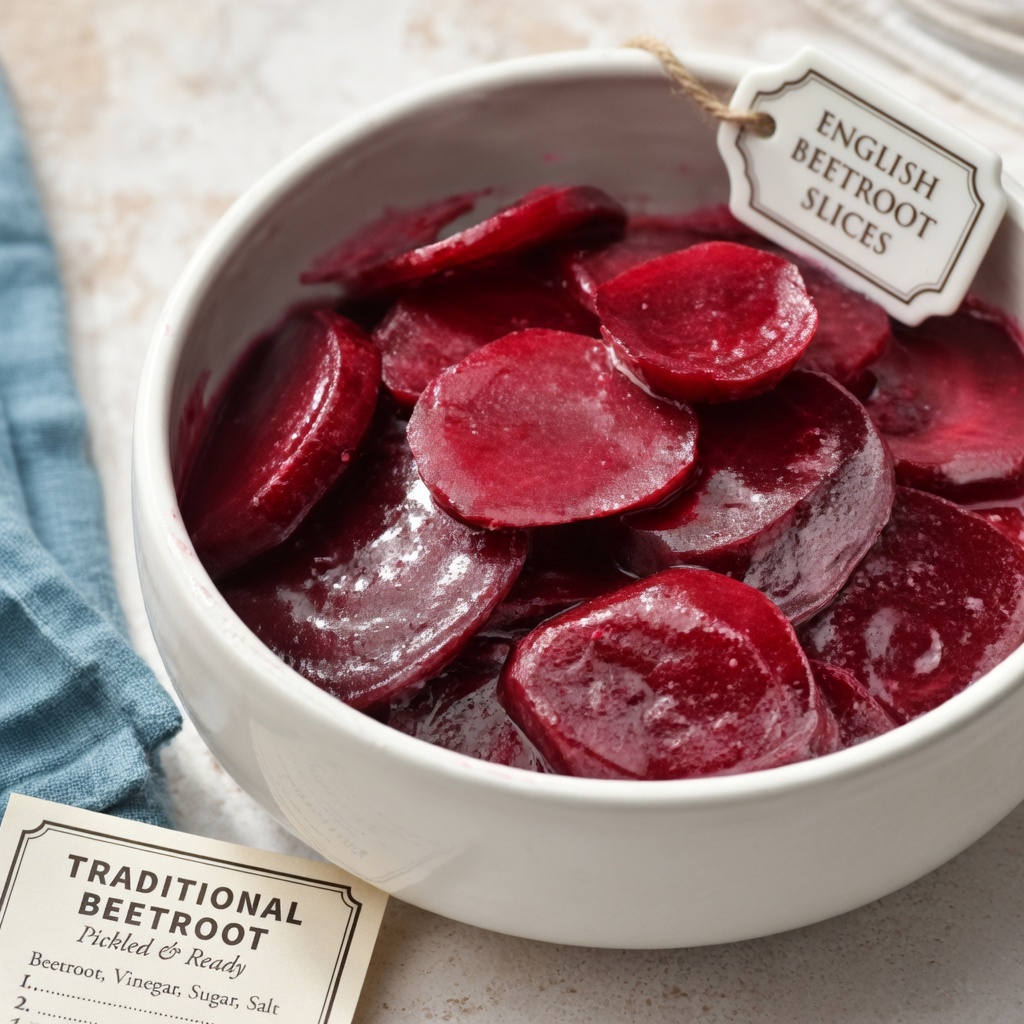
Beets deserve a top spot among the best vegetables for seniors who want to support healthy blood pressure naturally. They are especially rich in dietary nitrates, which the body converts into nitric oxide. Research suggests this compound helps blood vessels relax and may improve circulation.
For seniors who feel frustrated by inconsistent blood pressure readings, beets offer a practical and easy addition to meals. They are soft when cooked, simple to digest, and do not require complicated preparation. Studies indicate that eating beets regularly, or drinking beet juice, may help maintain healthier blood pressure levels over time.
Another advantage is their nutritional balance. Beets contain fiber and potassium, both of which can help the body manage sodium more effectively. This is particularly useful for older adults trying to lower salt intake.
Roasted beets with a little olive oil make an easy side dish, while blended beets can add natural sweetness and color to smoothies.
2. Spinach: A Leafy Green Packed With Blood Pressure-Friendly Nutrients
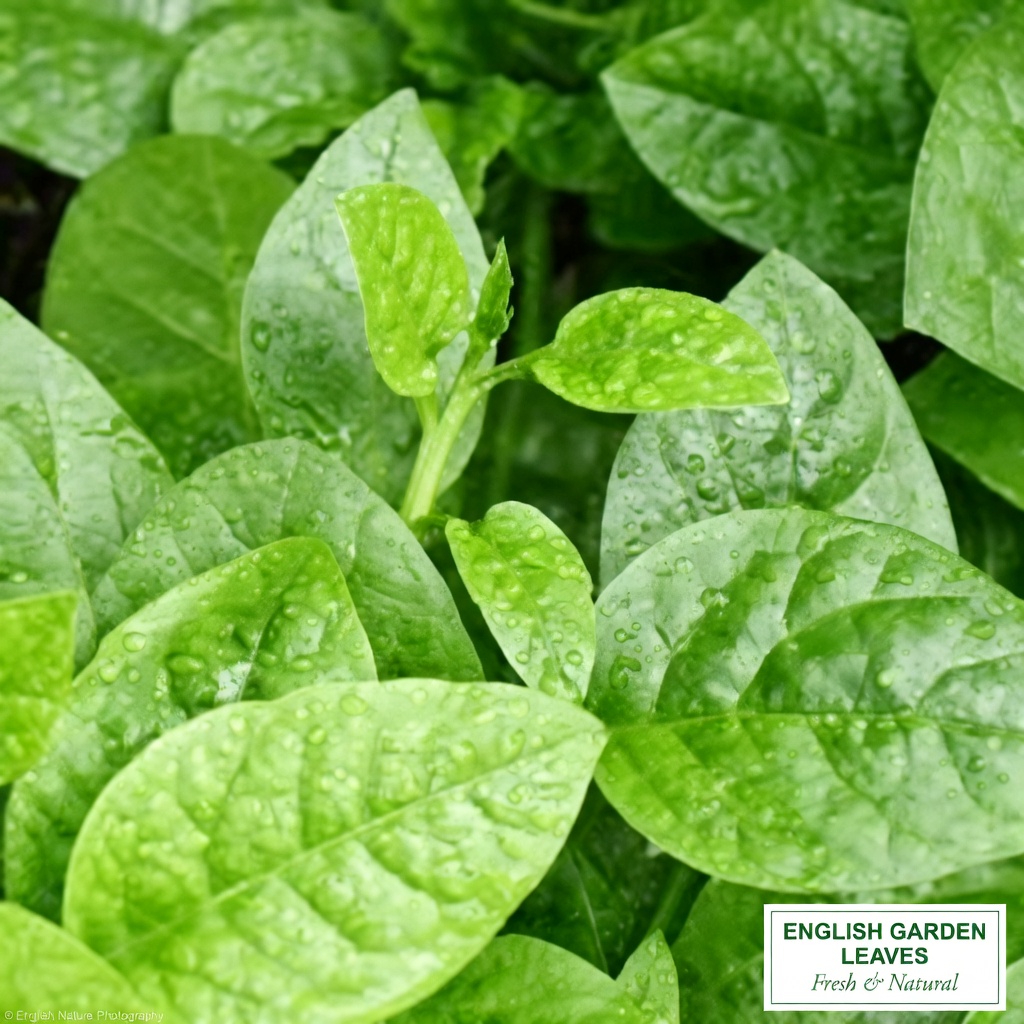
Spinach is another excellent vegetable for seniors focused on heart health and blood pressure support. This leafy green provides potassium, magnesium, and natural nitrates, all of which are linked to better blood vessel function and sodium balance.
Many older adults dealing with blood pressure issues also experience fatigue. Spinach offers gentle nutritional support that may help make everyday activities feel more manageable. Studies on leafy greens consistently connect higher intake with better blood pressure management in aging adults.
Spinach also stands out because of its antioxidants. As the body ages, oxidative stress tends to increase, and that can affect cardiovascular health. The protective compounds in spinach help address this issue while also contributing valuable vitamins and minerals.
One reason spinach is so practical is its versatility. It cooks down quickly, works well in soups, and blends easily into smoothies without changing the taste too much.
3. Celery: A Hydrating, Crunchy Vegetable With Unique Benefits
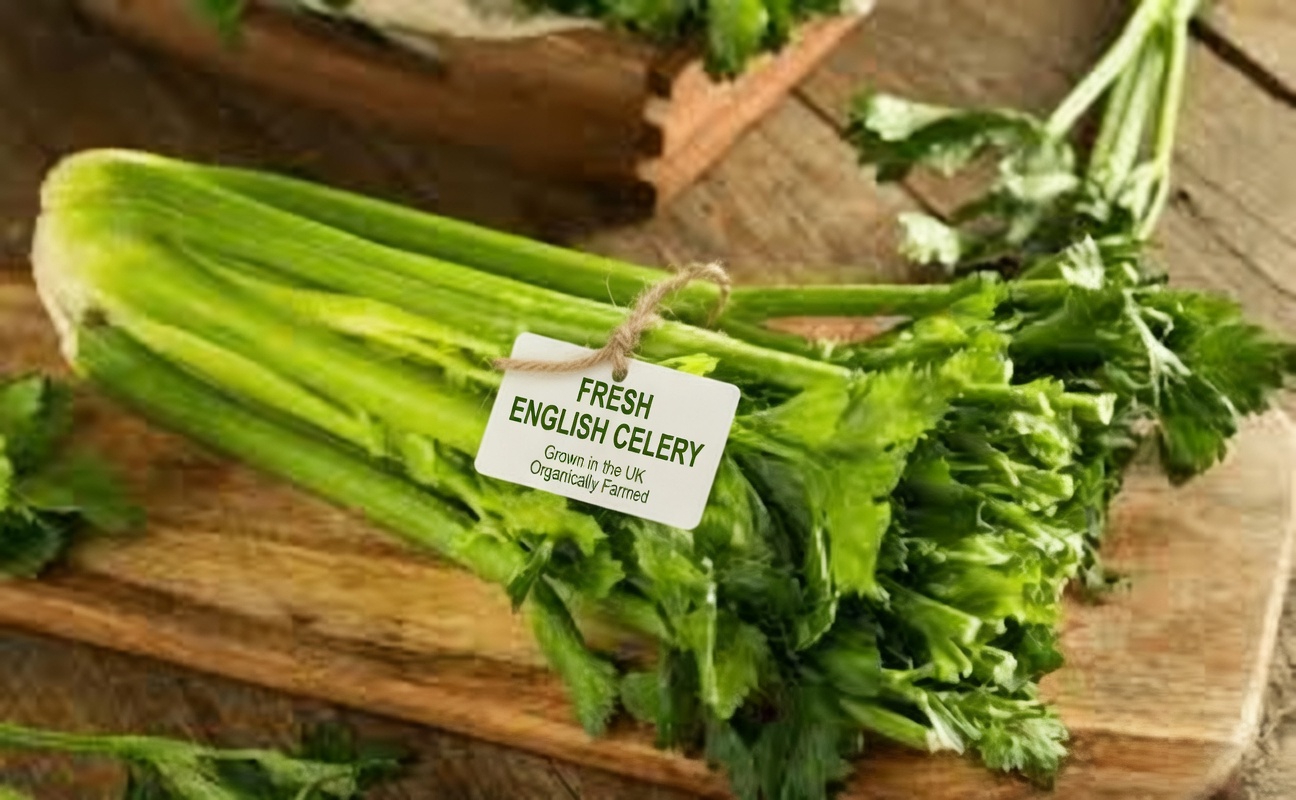
Celery earns its place on this list thanks to its natural compounds called phthalides. Research suggests these compounds may help blood vessels relax and support healthy circulation, making celery a smart option for seniors watching their blood pressure.
It can also solve a common problem: finding a light snack that feels satisfying without creating more health concerns. Celery is low in calories, high in water, and contains fiber, so it can help older adults feel full while supporting hydration.
In addition to its crunch, celery fits well into many meals. It can be eaten raw, sliced into salads, or cooked into soups and stews. For seniors looking for a simple and refreshing way to support a heart-healthy diet, celery is an easy everyday choice.
4. Broccoli: A Powerful Cruciferous Vegetable for Vascular Health
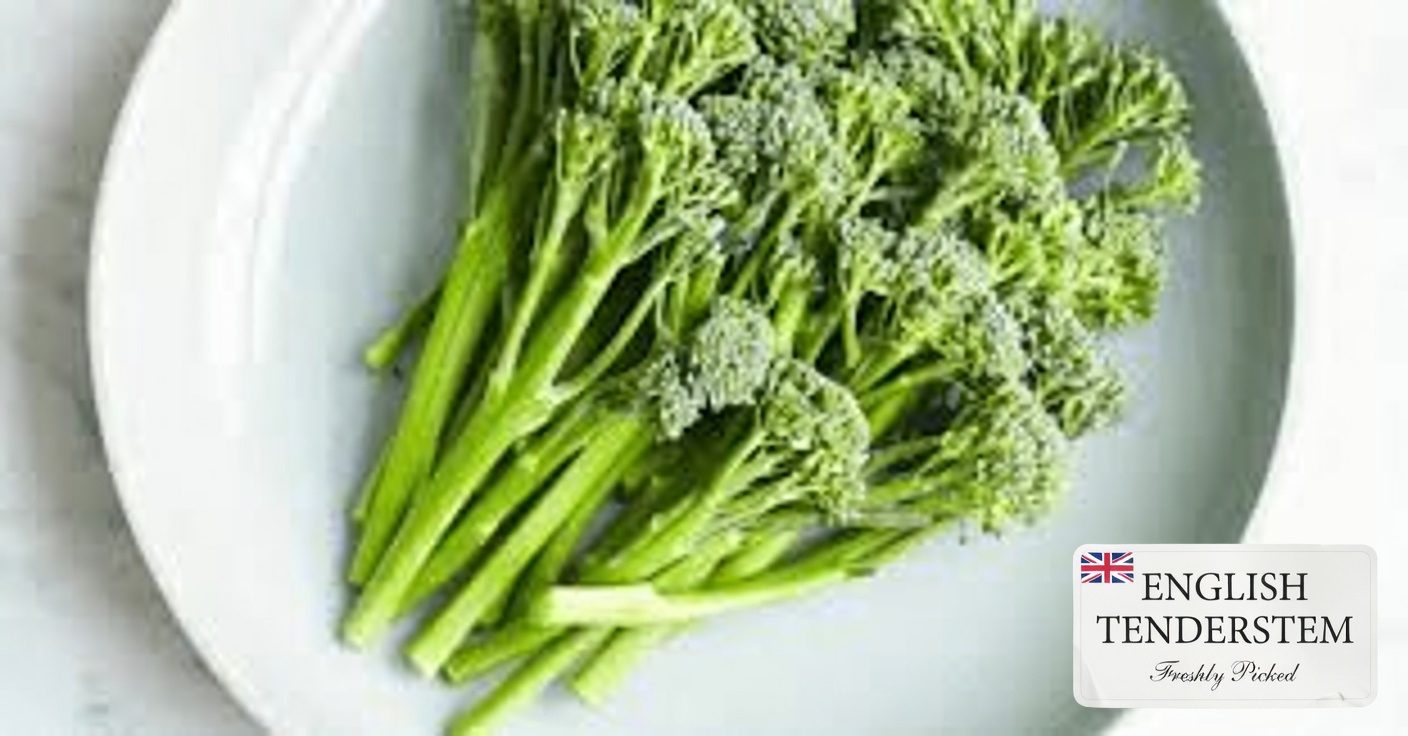
Broccoli is one of the most valuable vegetables for seniors who want natural support for healthy blood pressure. It provides antioxidants, potassium, and fiber, all of which play a role in cardiovascular wellness. Research also suggests cruciferous vegetables like broccoli may offer particular benefits for blood pressure compared with some other vegetable groups.
For older adults who want to stay active and independent, broccoli offers strong nutritional support without requiring difficult preparation. It is filling, widely available, and easy to include in lunch or dinner.
Another plus is that broccoli keeps many of its benefits when lightly steamed or roasted. These cooking methods also make it easier to digest, which can be helpful for seniors with sensitive stomachs.
Try adding broccoli to stir-fries, grain bowls, or serving it as a side with garlic and olive oil for a flavorful, blood pressure-friendly dish.
5. Garlic: A Flavorful Vegetable With a Surprising Advantage
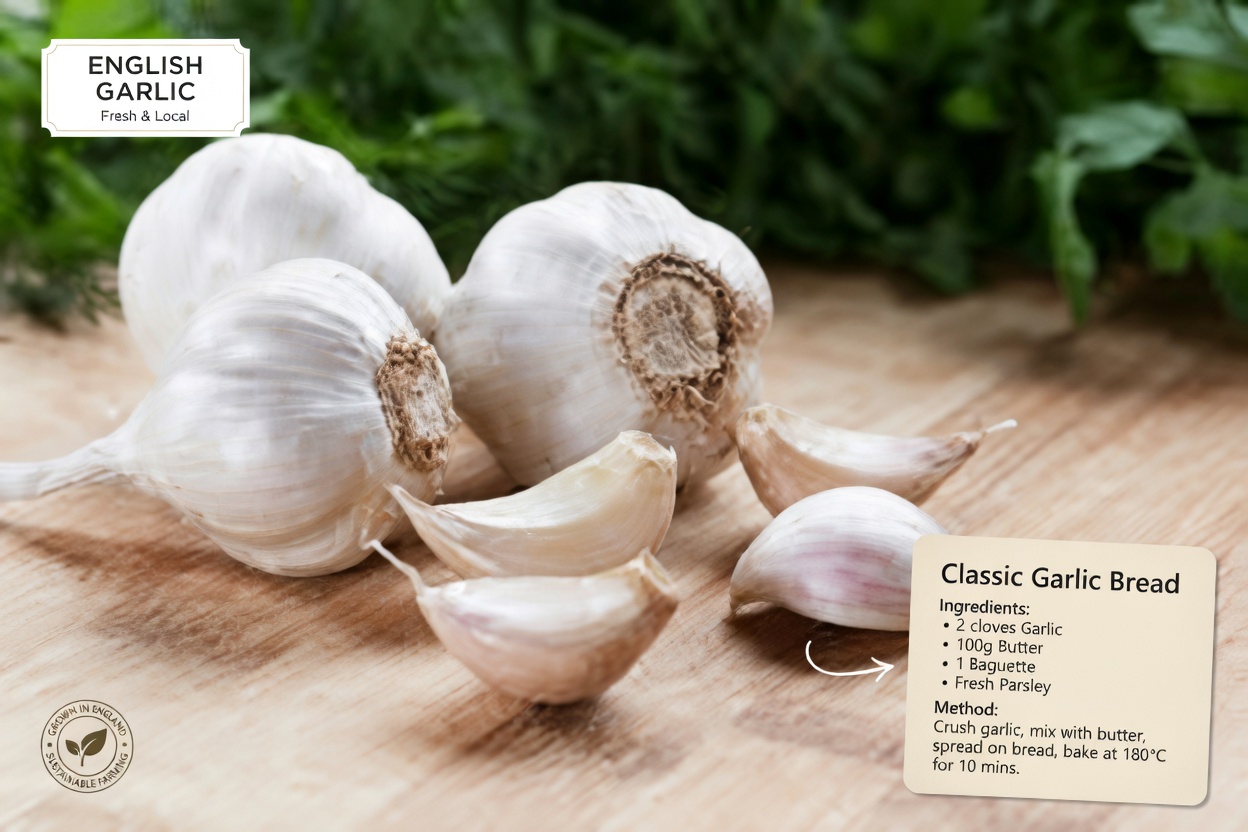
Garlic completes this list of the best vegetables for seniors seeking natural blood pressure support. It contains sulfur compounds, especially allicin, which have been studied for their potential to relax blood vessels and promote heart health.
Many seniors want meals that are both healthy and flavorful. Garlic does both. It adds strong taste to simple dishes while also offering research-backed support for healthy blood pressure.
Here is the surprising twist: garlic becomes most powerful when it is freshly chopped or crushed. That process activates its beneficial compounds, meaning the way you prepare garlic can significantly affect its value. This small change may completely reshape how you shop and cook if blood pressure support is a goal.
Fresh garlic can be mixed into salad dressings, stirred into soups, or added to roasted vegetables for a delicious and consistent way to support wellness.
Simple Ways to Add These Vegetables to Your Routine
Now that you know the top vegetables seniors should eat for healthy blood pressure support, the next step is making them part of everyday meals without stress.
Easy starter plan
- Add spinach to a morning smoothie.
- Serve roasted beets with dinner.
- Snack on celery sticks during the day.
- Steam broccoli a few times each week.
- Use fresh chopped garlic in soups, sauces, or vegetable dishes.
Smart shopping and prep tips
- Buy pre-washed spinach to save time.
- Choose ready-to-eat celery sticks for quick snacks.
- Roast several beets at once and store them for later meals.
- Keep broccoli florets on hand for fast steaming.
- Purchase fresh garlic bulbs and chop them just before cooking for the best results.
Meal ideas for blood pressure support
- Blend spinach or beets into fruit smoothies.
- Add chopped celery and minced garlic to soups and stews.
- Pair steamed broccoli with fish, chicken, or beans for a balanced plate.
- Toss roasted beets into salads for extra color and nutrition.
- Use garlic with olive oil as a base for sautéed vegetables.
Small habits like these are often easier to maintain, and consistency matters when building a heart-friendly eating pattern.
Why These Vegetables Matter for Seniors
Each of these vegetables offers something different, but together they create a powerful combination. Beets and spinach provide nitrates, celery offers helpful plant compounds and hydration, broccoli contributes antioxidants and fiber, and garlic delivers sulfur-based compounds tied to heart health.
This mix of nutrients may support better blood pressure management by helping blood vessels function more efficiently, assisting with sodium balance, and reducing oxidative stress. Seniors who eat a wider variety of vegetables often feel more empowered and energized in their overall health journey.
Conclusion
Beets, spinach, celery, broccoli, and garlic are five excellent vegetables for seniors who want to support healthy blood pressure naturally. They are nutritious, practical, and easy to include in regular meals.
Start with one or two simple changes, stay consistent, and build from there. Over time, these everyday vegetables can become a valuable part of a healthier lifestyle without making eating feel complicated.
Frequently Asked Questions
1. How many servings of these vegetables should seniors eat each day for blood pressure support?
A good target is about 4 to 5 servings of vegetables daily. Rotating these five options through your weekly meals can help create a balanced pattern that supports healthy blood pressure.
2. Can these vegetables interfere with blood pressure medication?
They are generally safe as part of a healthy diet, but seniors should speak with their doctor before making major dietary changes. These vegetables can support treatment, but they should not replace prescribed medication or medical advice.
3. What if a senior has trouble chewing or digesting vegetables?
Steaming, roasting, blending, or pureeing can make these vegetables much easier to eat and digest while still preserving many of their nutrients. Soft preparation methods are especially helpful for older adults with chewing or digestive concerns.