Chia Seeds for Seniors: 5 Common Mistakes to Avoid for Better Digestion and Daily Comfort
Many older adults choose chia seeds as a simple way to support digestion, energy, and overall wellness. But if you are using them the wrong way, these tiny seeds may be contributing to the very discomfort you are trying to prevent. Bloating, gas, constipation, and even swallowing concerns can all stem from avoidable chia seed mistakes.
The good news is that chia seeds can still be a smart addition to your routine. Once you understand the most common errors, it becomes much easier to enjoy their benefits safely. And one small habit at the end can make a surprisingly big difference in how you feel each day.

Mistake #1: Eating Dry Chia Seeds Instead of Soaking Them First
A lot of seniors add dry chia seeds directly to oatmeal, yogurt, or smoothies, assuming it is a fast and healthy choice. However, this is one of the most important chia seed mistakes to avoid. These seeds absorb liquid quickly, and once they come into contact with moisture, they expand rapidly.
For older adults, especially those who sometimes notice slower or more difficult swallowing, dry chia seeds can become a choking concern. Studies have shown that chia seeds may absorb up to 27 times their weight in liquid, forming a thick gel. If they expand after being swallowed dry, they may create an uncomfortable or risky situation.
Thankfully, this problem is easy to prevent. Simply soak chia seeds in water, milk, or juice before eating them. Letting them expand outside the body makes them much safer and easier to digest. Many seniors find that this one change helps them feel more relaxed and confident about including chia seeds in their meals.
Mistake #2: Increasing Chia Seed Intake Too Fast
When people hear about the health benefits of chia seeds, it is tempting to add several spoonfuls right away. But this can overwhelm the digestive system, especially for seniors. Because chia seeds are rich in fiber, eating too much too soon may lead to bloating, gas, stomach discomfort, or changes in bowel habits.
Older adults may already deal with occasional digestive sensitivity, so a sudden jump in fiber can make symptoms worse instead of better. Rather than feeling energized, you may end up feeling heavy, uncomfortable, or drained.
A better approach is to begin with just 1 tablespoon per day. Give your body time to adjust before increasing the amount. Taking it slowly can help you enjoy the potential benefits of chia seeds without the digestive side effects that often come from rushing.
Mistake #3: Not Drinking Enough Water with Chia Seeds
Another common issue is forgetting that chia seeds need adequate fluid to work well in the body. While many seniors add them to improve digestion, the fiber in chia seeds can actually make constipation worse if water intake is too low.
Without enough hydration, chia seeds may draw moisture from the digestive tract. This can leave you feeling bloated, sluggish, or backed up instead of relieved. For many older adults, that familiar heavy feeling in the afternoon may become even more noticeable when chia seeds are added without enough water.
Try to drink at least eight glasses of water throughout the day, and have an extra glass when eating chia seeds. This habit helps the fiber move through the digestive system more comfortably and supports the smoother digestion most people are hoping for.
Mistake #4: Overlooking Possible Medication Interactions
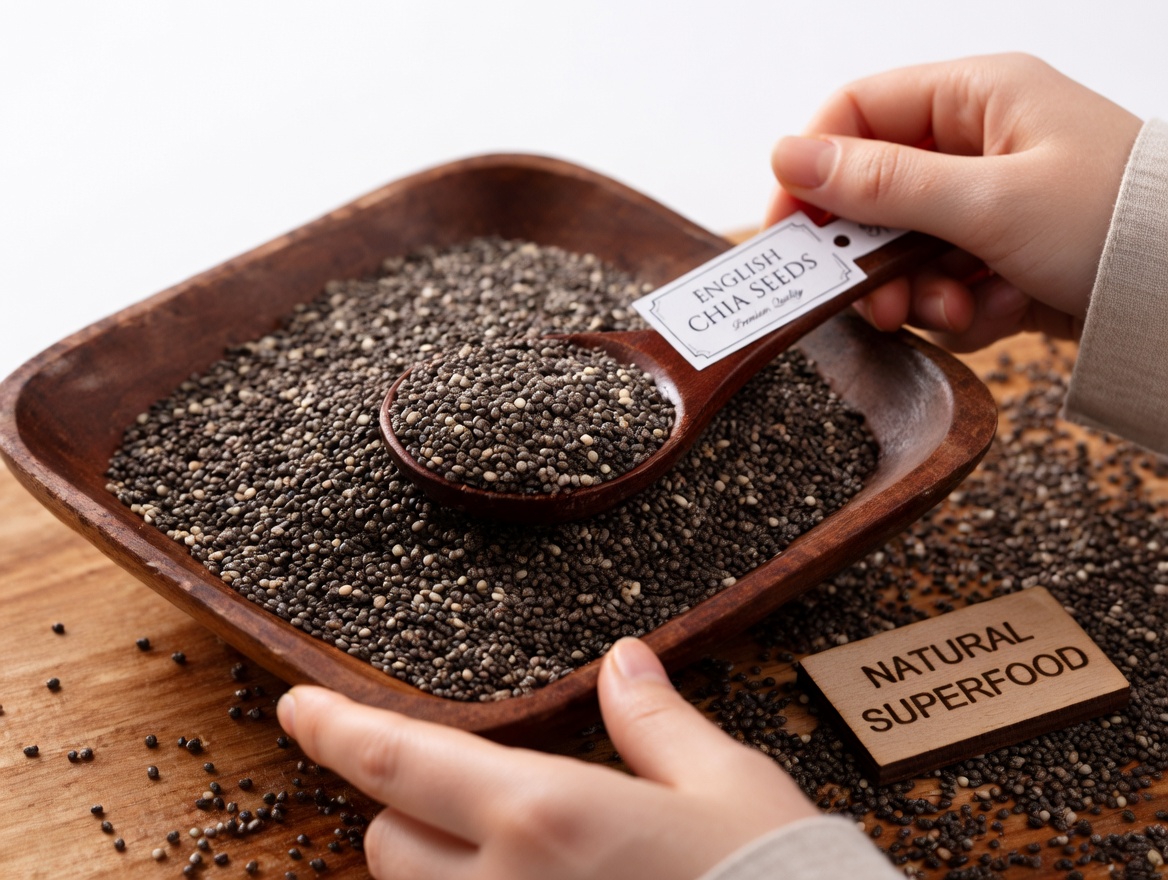
Many seniors take daily prescriptions for blood pressure, blood sugar, heart health, or other ongoing conditions. Adding chia seeds without checking first may seem harmless, but it can be a mistake worth taking seriously.
Chia seeds may influence how certain medications are absorbed or how they affect the body. If you are doing everything right but still notice that your readings or symptoms seem a little different, your diet could be playing a role. No one wants extra uncertainty added to an already full health routine.
Before making chia seeds a regular part of your meals, speak with your doctor or pharmacist, especially if you take prescription medicine. A short conversation can help you use chia seeds more safely and give you peace of mind.
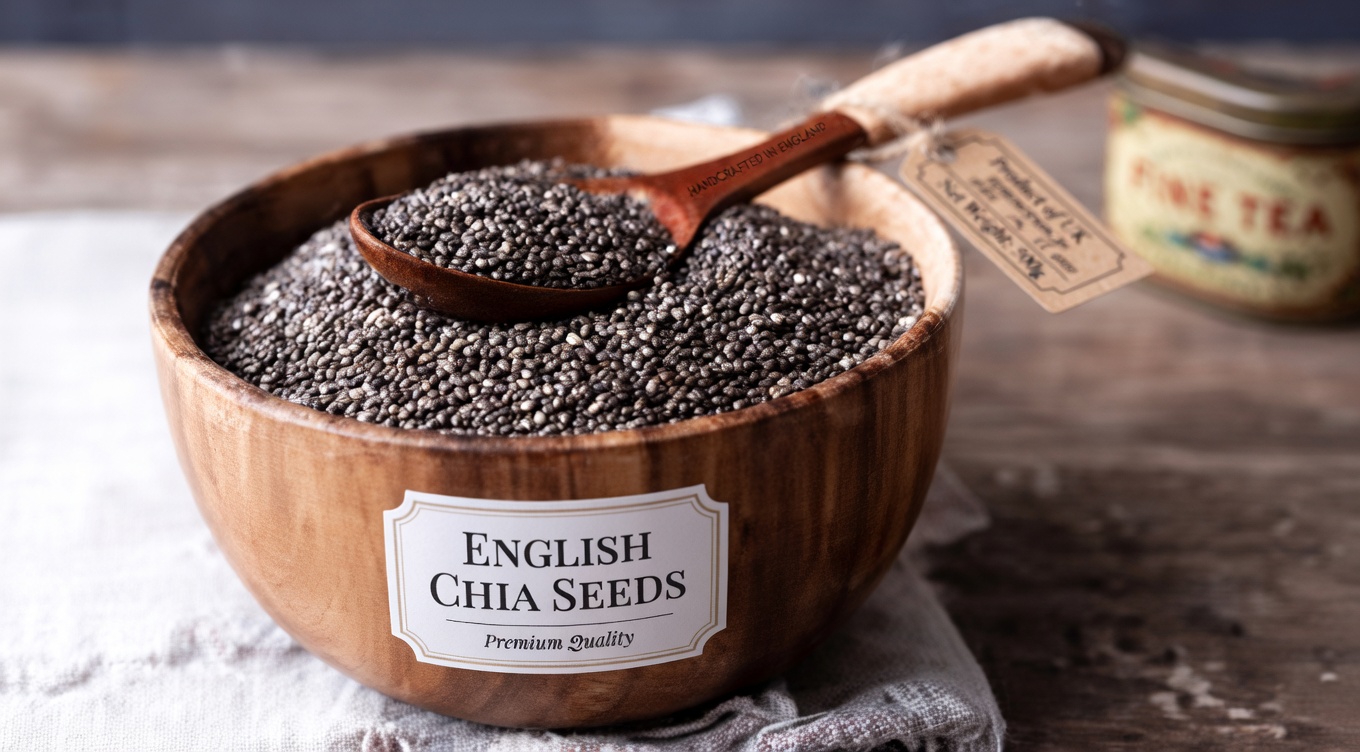
Mistake #5: Buying Low-Quality Chia Seeds or Storing Them Improperly
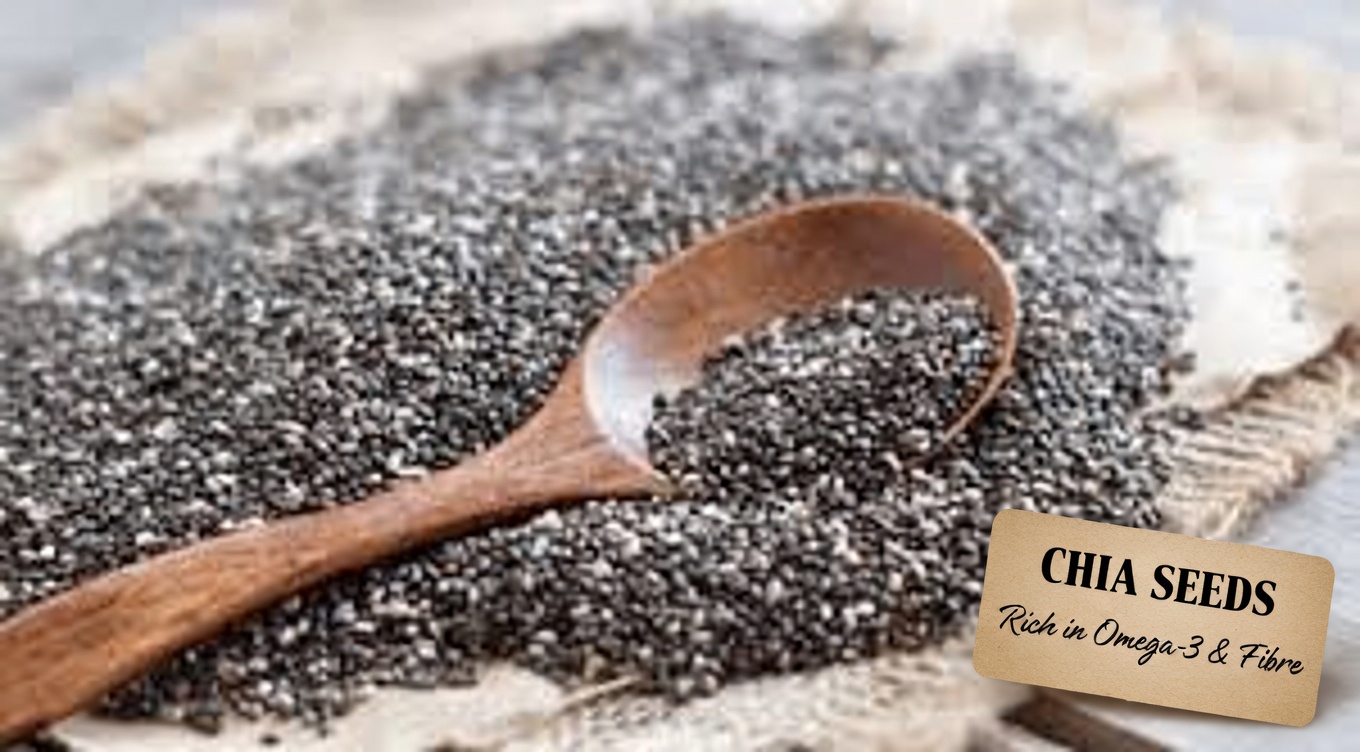
Not all chia seeds are equal. Choosing the cheapest option without checking quality, then storing the package in a warm cabinet, can reduce freshness and create unnecessary problems. Poor-quality or rancid chia seeds may taste unpleasant and may even cause digestive upset.
If you are making an effort to support your health, it makes sense to choose seeds that are fresh and reliable. Quality matters, especially when using them regularly.
Buy chia seeds from trusted brands or reputable sellers. Store them in an airtight container in a cool, dark place. This helps preserve freshness, taste, and safety so each serving supports your routine instead of creating new concerns.
How Seniors Can Enjoy Chia Seeds Safely
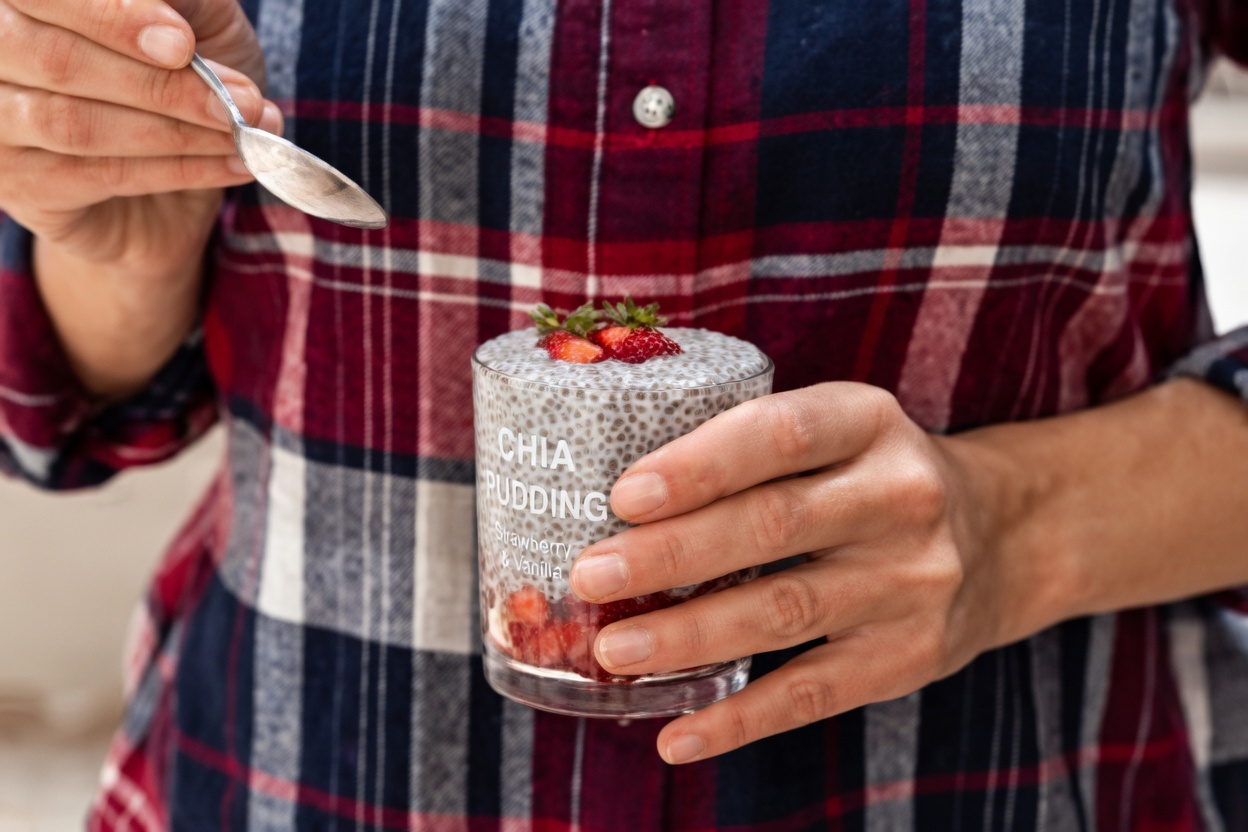
If you want to make chia seeds part of your daily routine without the usual problems, follow these simple steps:
- Start small: Begin with 1 tablespoon of soaked chia seeds per day.
- Increase slowly: Give your body about two weeks to adjust before adding more.
- Soak before eating: Mix 1 part chia seeds with 10 parts liquid and let them sit for 15 to 30 minutes until they form a gel.
- Drink enough water: Have a full glass of water with each serving.
- Check with your doctor: Review medications and health conditions before using chia seeds regularly.
- Pay attention to your body: If you notice bloating, discomfort, or changes in digestion, adjust the amount or timing.
Quick Chia Seed Preparation Guide for Seniors
| Method | Risk Level for Seniors | Why It Matters |
|---|---|---|
| Dry, straight from the bag | High | Can create a choking risk and expand inside the body |
| Soaked for 15+ minutes | Low | Forms a gel before eating, making it safer and easier to digest |
| Eaten without extra water | Medium | May worsen constipation or bloating |
| Eaten with plenty of fluids | Low | Helps digestion stay comfortable and regular |
By making a few practical changes, many seniors find that chia seeds become much easier to tolerate and more enjoyable to use.
The Best Way to Make Chia Seeds Work for You
What many people miss is that the real benefit comes from combining three habits at once: soaking, hydration, and moderation. When you turn these into one easy morning routine, chia seeds stop feeling risky or frustrating.
Instead of causing worry, they can become a simple and dependable part of a balanced diet.
Conclusion: Use Chia Seeds the Right Way
There is no need to give up on chia seeds because of a few common mistakes. By avoiding dry consumption, limiting portion size at first, drinking enough water, checking for medication interactions, and storing them properly, you can enjoy chia seeds more safely and comfortably.
Small daily improvements often bring the biggest results over time. Start with just one or two of these tips today, and your routine may quickly feel easier and more manageable. Your body will appreciate the extra care.
FAQ: Chia Seeds for Seniors
1. How much chia seeds can seniors safely eat each day?
Most seniors do well with 1 to 2 tablespoons of soaked chia seeds daily. Start with a smaller amount and increase gradually so your digestive system can adapt.
2. Can chia seeds be a problem if I have trouble swallowing?
Yes. Dry chia seeds may be risky for people with swallowing difficulties because they expand quickly when they absorb moisture. Always soak them thoroughly before eating.
3. Should I speak with my doctor before adding chia seeds to my diet?
Yes, especially if you take prescription medications or manage ongoing health conditions. Your healthcare professional can tell you whether chia seeds fit safely into your routine.