Why Vitamin B12 Still Matters When Energy Feels Low After 50
Many older adults begin taking Vitamin B12 expecting a noticeable lift in energy and mental clarity. But when fatigue lingers and brain fog does not improve, it can feel discouraging. Everyday moments, from playing with grandchildren to remembering names or enjoying hobbies, may start to feel more difficult than they used to.
That can create a real fear of losing independence. The encouraging news is that the issue is often not Vitamin B12 itself, but how it is being used. A smarter, doctor-informed approach to Vitamin B12 can make a meaningful difference in supporting daily vitality.
Why Vitamin B12 Becomes More Important With Age
Vitamin B12 is essential for helping the body maintain steady energy, support nerve function, and promote clear thinking. As people grow older, however, low Vitamin B12 levels become more common, and the effects can be subtle at first. Many seniors simply notice that they feel more tired, less focused, or slower during normal daily activities.
One major reason is that aging changes digestion. These natural changes can reduce how efficiently the body processes and absorbs Vitamin B12. When that happens, even a healthy routine may not be enough to keep levels where they should be.
Without proper support, low Vitamin B12 can gradually interfere with quality of life. Seniors may feel too drained for social events, hobbies, or family time. Understanding this connection is the first step toward staying active and independent.
Why So Many Seniors Use Vitamin B12 the Wrong Way
A common mistake is assuming that any standard Vitamin B12 tablet will work the same for everyone. Many seniors take a regular pill with breakfast and expect fast improvement, yet age-related digestive changes can prevent much of that Vitamin B12 from reaching the bloodstream.
Research suggests that lower stomach acid, which becomes more common after age 50, can make it harder to absorb Vitamin B12 from traditional supplements. As a result, many people continue taking low-dose products every day without seeing much change in energy or focus.
That is why some seniors feel frustrated. They are being consistent, but their supplement routine is not matched to how their body now works.
What Science Says About Vitamin B12 Absorption in Older Adults
Vitamin B12 found in food must be released during digestion before the body can absorb it properly. That process depends heavily on stomach acid, and stomach acid production often declines with age. This can make it harder for older adults to get enough usable Vitamin B12 from meals alone.
The same challenge can affect certain supplements as well. If absorption is limited, seniors may continue dealing with tiredness, poor concentration, and that persistent “foggy” feeling even while taking Vitamin B12 regularly.
Experts also point to another pathway called passive diffusion. At higher doses, a small amount of Vitamin B12 can still be absorbed even when the normal digestive process is less efficient. For many older adults, this is an important reason why higher-dose or alternative forms of Vitamin B12 may work better.
Common Vitamin B12 Supplement Mistakes Seniors Should Avoid
There are several habits that can reduce the benefits of Vitamin B12 supplements:
- Taking Vitamin B12 right after a heavy meal
- Using only very low-dose tablets
- Ignoring how medications may affect absorption
- Choosing a form that is not ideal for age-related digestive changes
Some seniors also focus only on the label amount and overlook the supplement format. Basic swallow tablets are not always the most effective option for people with reduced stomach acid. That can lead to ongoing fatigue and concern about memory, focus, or stamina.
Recognizing these issues can help remove a lot of guesswork from your routine.
Better Vitamin B12 Options for Seniors: Sublingual and High-Dose Forms
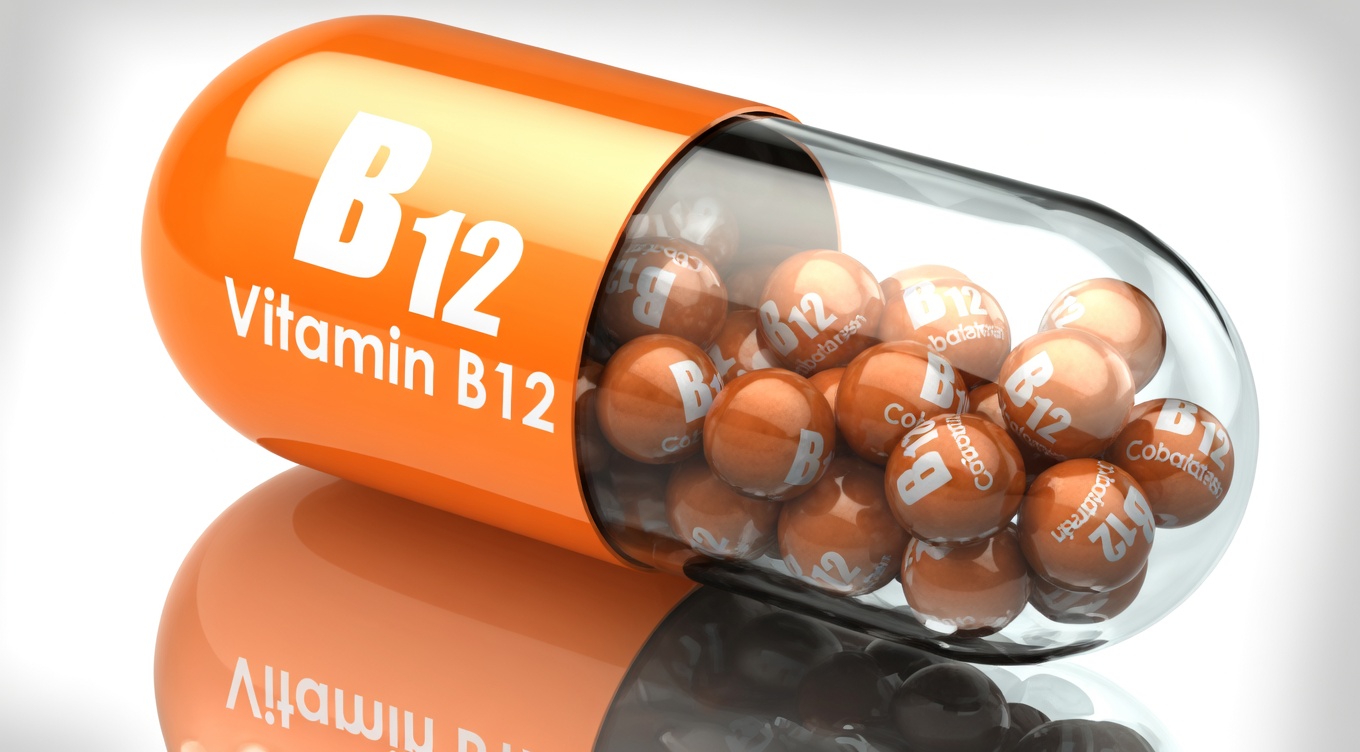
One of the most helpful discoveries for many older adults is that the form of Vitamin B12 matters. Sublingual Vitamin B12, which dissolves under the tongue, may allow more direct absorption and reduce some of the digestive obstacles that come with aging.
High-dose oral Vitamin B12 is another useful option. Because passive diffusion can absorb a small percentage even without ideal stomach conditions, larger doses may help more seniors maintain healthier Vitamin B12 levels.
These approaches can be especially valuable for people who have taken standard supplements for a while but still feel tired or mentally sluggish. Choosing a more suitable form may help restore confidence, comfort, and consistency in daily life.
Foods That Naturally Support Vitamin B12 Levels
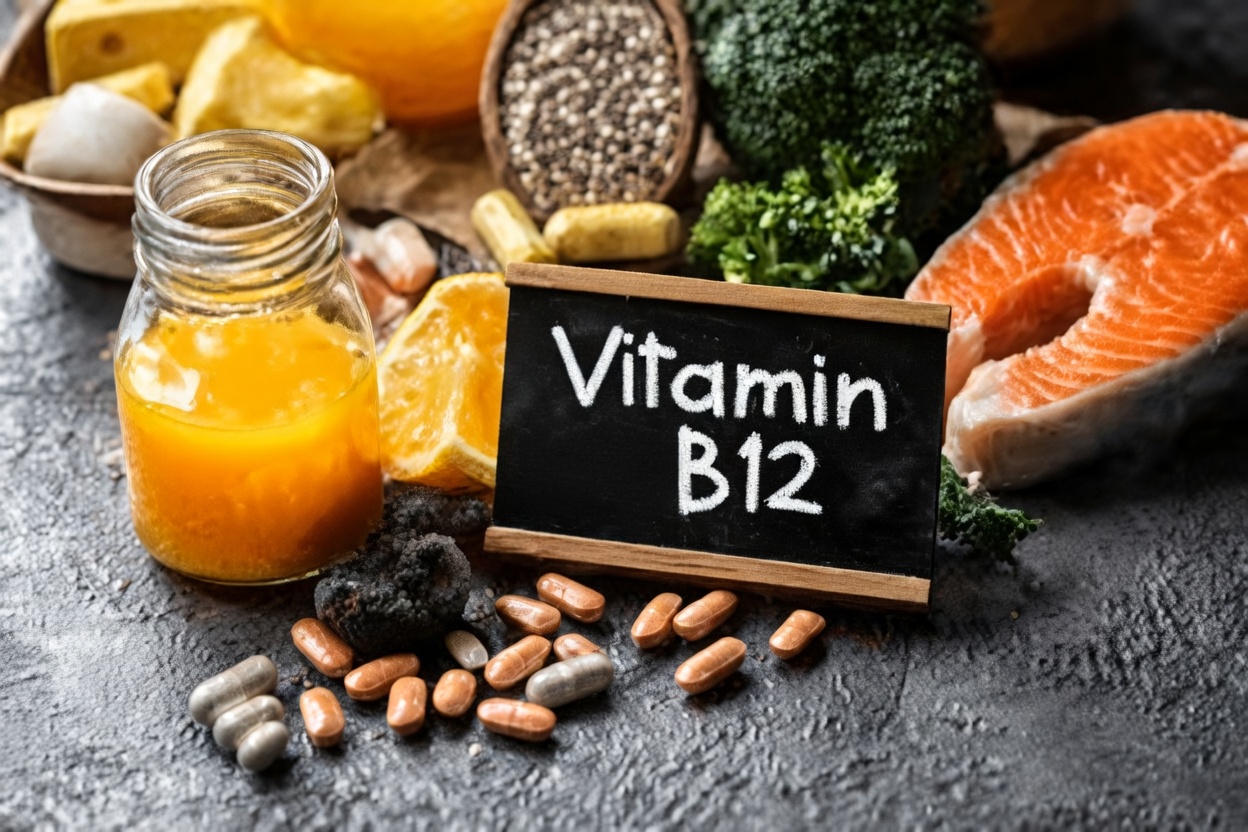
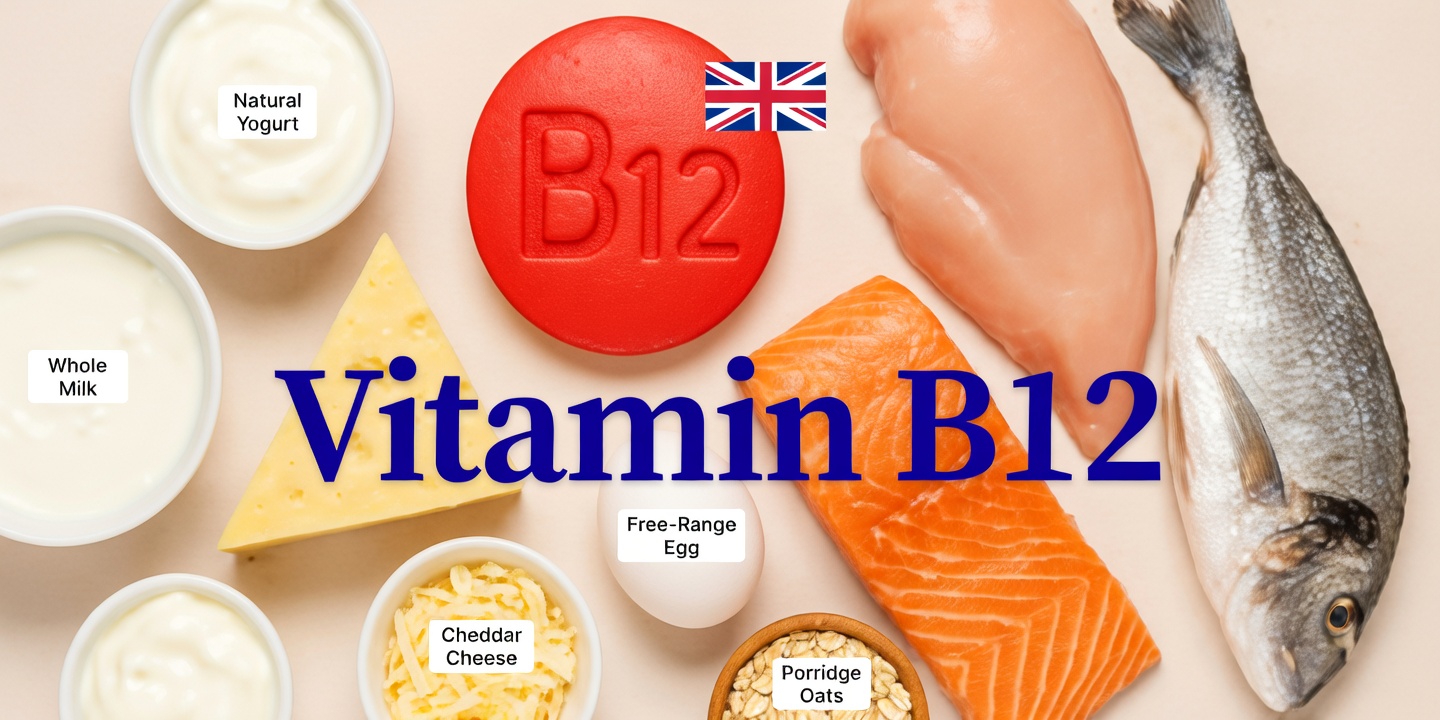
Supplements are important, but food still plays a valuable role. Seniors can support Vitamin B12 intake by including foods such as:
- Fortified breakfast cereals
- Eggs
- Milk, yogurt, and other dairy products
- Fish like salmon or tuna
These foods can strengthen an overall Vitamin B12 plan. Still, many older adults may not absorb enough from food alone, which is why a combination of diet and the right supplement strategy often makes the most sense.
Simple additions to meals can help support energy and make daily routines feel more manageable.
Practical Steps to Improve Your Vitamin B12 Routine Today
If you want better results from Vitamin B12, start with these simple actions:
-
Choose a better form
- Consider sublingual Vitamin B12 or a high-dose oral supplement instead of a standard low-dose tablet.
-
Take it at the right time
- Many seniors do best taking Vitamin B12 in the morning on an empty stomach.
-
Be consistent
- Use a notebook or simple tracker so your routine becomes automatic.
-
Review medications and habits
- Some medicines and meal patterns may affect how well Vitamin B12 works.
-
Talk with your doctor
- Ask whether Vitamin B12 testing would help personalize your plan safely.
These small changes can make a real difference over time. The goal is not perfection, but a routine that actually fits your body and your lifestyle.
Quick Comparison of Vitamin B12 Supplement Forms for Seniors
| Form | How It Works for Seniors | Best For | Ease of Use |
|---|---|---|---|
| Standard oral pill | Depends more on stomach acid | Mild support needs | Easy |
| Sublingual | Dissolves under the tongue for easier uptake | Age-related absorption issues | Very easy |
| High-dose oral | Uses passive diffusion to improve absorption | Daily maintenance | Easy |
| Injection | Bypasses digestion completely | Severe deficiency or doctor-guided treatment | Requires professional support |
This comparison helps explain why a switch in supplement type can sometimes lead to better results and less frustration.
How to Discuss Vitamin B12 With Your Doctor
Many seniors wait too long to bring up symptoms like low energy, forgetfulness, or mental fog during check-ups. But being open about these concerns can help your doctor decide whether Vitamin B12 testing or a different supplement strategy makes sense.
Be sure to mention:
- Ongoing fatigue
- Memory lapses
- Trouble concentrating
- Current supplements you are taking
- Medications that may affect digestion or absorption
This conversation can lead to more personalized care and help you avoid months of unnecessary exhaustion.
Benefits Seniors Often Notice When Vitamin B12 Is Used Correctly
When Vitamin B12 is matched to the needs of older adults, the improvements can feel significant. Many seniors report:
- More stable energy throughout the day
- Better focus and mental sharpness
- Greater enjoyment of walks, hobbies, and family time
- Less frustration with daily tiredness
Proper Vitamin B12 support does not promise miracles, but it can help reduce one of the most common barriers to feeling well in later life. For many people, that means feeling more like themselves again.

Final Thoughts on Vitamin B12 for Seniors
Using Vitamin B12 effectively is often less about taking more supplements and more about taking the right kind in the right way. Because absorption changes with age, seniors may need a different strategy than they did years ago.
Thoughtful choices around Vitamin B12 can support energy, clarity, and everyday comfort. The most important step is understanding that if your current routine is not helping, there may be a better option available.
Keep paying attention to what your body is telling you, work with your doctor when needed, and build on the small improvements that make daily life feel easier and more enjoyable.
FAQ: Common Vitamin B12 Questions From Seniors
How much Vitamin B12 do seniors usually need each day?
The general daily recommendation for adults is about 2.4 micrograms. However, many older adults benefit from higher-dose supplements because absorption often becomes less efficient with age. A doctor can help determine what amount is right for you.
Why am I still tired even though I take Vitamin B12?
The problem may be absorption rather than intake. Standard low-dose tablets do not always work well for seniors, especially if stomach acid is lower than it used to be.
Is sublingual Vitamin B12 better for seniors?
For many older adults, yes. Sublingual forms can be a practical option because they reduce some of the absorption challenges linked to digestion.
Can food alone provide enough Vitamin B12?
Foods like eggs, dairy, fish, and fortified cereals help, but some seniors still fall short because the body may not absorb Vitamin B12 efficiently from food alone.
When should I talk to a doctor about Vitamin B12?
If you have persistent fatigue, brain fog, memory issues, or you have been taking Vitamin B12 without improvement, it is a good idea to bring it up at your next medical visit.