Supporting Muscle Strength as You Age With Lean Beef and Smart Daily Habits
As the years go by, physical changes are a natural part of life. One of the most common shifts is a gradual decline in muscle strength, especially in the arms and legs. Everyday tasks such as walking, going up stairs, or lifting shopping bags may begin to feel more demanding than before. For many older adults, this can lead to frustration, reduced confidence, and concerns about staying independent.
The good news is that certain nutrition strategies can help support muscle health over time. A diet that includes enough high-quality protein may make a meaningful difference, and one nutrient-rich food that often stands out is lean beef.
What matters most, however, is not just eating it occasionally, but using it as part of a broader routine with simple, consistent habits. In this article, we’ll look at how to do exactly that.
What Causes Muscle Loss With Age?
After age 60, many adults experience a gradual reduction in muscle mass and strength. This age-related condition is known medically as sarcopenia. It often begins quietly, with weaker legs during routine movement, and later may affect arm strength used for lifting, pushing, or carrying.
Several factors contribute to this process, including:
- Lower levels of physical activity
- Hormonal changes that come with aging
- Reduced ability of the body to process and use nutrients efficiently
As muscle strength declines, people may notice:
- Less stability and confidence when walking
- Tiredness during normal daily tasks
- More difficulty managing independently
The positive takeaway is that muscle loss is not something you simply have to accept. Two of the most effective tools for supporting strength later in life are proper nutrition and regular movement.
Why Protein Matters More in Later Life
Protein supplies the amino acids your body needs to maintain and repair muscle tissue. As we age, the body becomes less responsive to protein, which is why older adults are often encouraged to consume more than the standard adult recommendation.
Many experts suggest a daily intake of around 1.2 to 1.6 grams of protein per kilogram of body weight for older adults.
It is also helpful to spread protein intake across the day rather than eating most of it at one meal. A practical target is roughly 25 to 30 grams of protein at breakfast, lunch, and dinner. This pattern appears to support muscle maintenance more effectively than uneven intake.
Another important point is protein quality. Foods rich in leucine, an essential amino acid, are especially valuable because leucine helps activate the muscle-building and muscle-preserving processes in the body.
Why Lean Beef Is a Strong Protein Choice
Lean beef is considered a complete, high-quality protein, meaning it provides all of the essential amino acids your body needs. A cooked 3-ounce serving usually delivers about 24 to 26 grams of protein, making it a convenient way to meet per-meal protein goals.
In addition to protein, lean beef provides several nutrients that may support strength and vitality, including:
- Creatine for muscle energy
- Highly absorbable iron to help carry oxygen through the body
- B vitamins that support energy metabolism
- Zinc for immune and overall health
Eggs are also highly nutritious and offer excellent protein, but a standard serving of lean beef typically provides more total protein at once, along with additional compounds that benefit energy and muscle function.
Research published in sources such as the American Journal of Clinical Nutrition has examined the effects of including lean red meat in the diets of older adults. Findings suggest that when lean beef is combined with resistance exercise, it may help improve muscle size, strength, and physical function. One well-known study involving women aged 60 and older found positive results when lean beef was included several times per week.
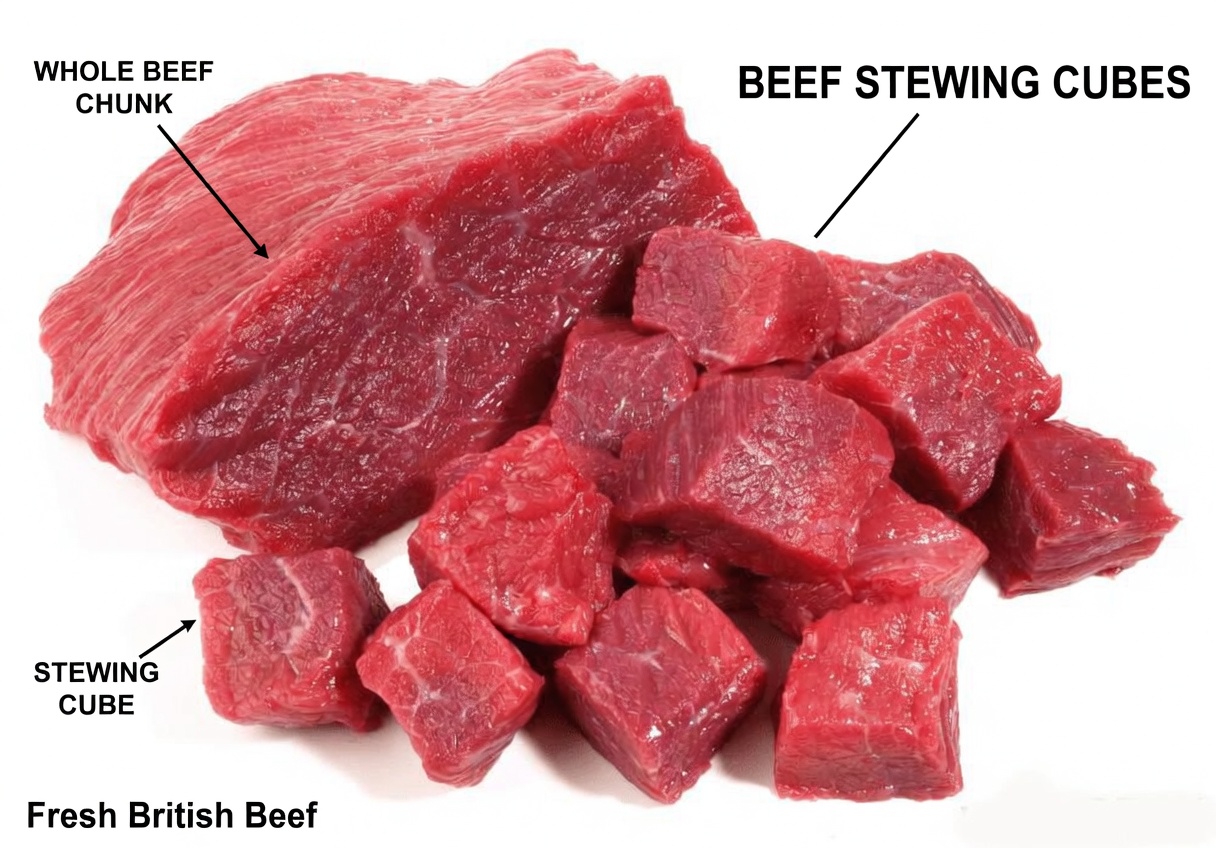
Lean beef also has practical advantages. It is satisfying, versatile, and can be prepared in ways that are gentle and easy to eat when the right cuts and cooking methods are used.
Quick Protein Comparison
Here is a simple look at how lean beef compares with other common protein foods:
- Lean beef, 3 oz cooked: about 25g protein
- 1 large egg: about 6g protein
- Chicken breast, 3 oz: about 20g protein
- Greek yogurt, 1 cup: about 23g protein
Lean beef offers a substantial protein boost in a relatively small serving.
Easy Ways to Add Lean Beef to Your Weekly Meals
Including lean beef in your routine does not have to be complicated. The key is choosing quality cuts and keeping portions balanced.
Choose Lean Cuts
Look for options such as:
- Sirloin
- Tenderloin
- Top round
- Ground beef labeled 93% lean
These cuts help you increase protein intake while keeping saturated fat lower.
Keep Portions Moderate
A palm-sized serving is a good starting point. This helps you reach your protein needs without making portions excessive.
Use Simple Cooking Ideas
Lean beef can be added to many easy meals, such as:
- Stir-fried beef cubes with mixed vegetables
- Vegetable soups with tender beef pieces
- Grilled beef skewers with herbs and spices
Make It Part of a Balanced Rotation
Aim for 2 to 3 servings per week as part of a varied protein pattern that also includes:
- Fish
- Poultry
- Dairy
- Plant-based proteins
Make Preparation Easier
To save time and effort:
- Cook extra portions on weekends
- Use baking or slow cooking for tenderness
- Cut beef into small cubes for faster cooking and easier chewing
Simple Herb Beef Cubes Recipe
Try this easy meal idea:
- Cut lean beef into 1-inch cubes.
- Toss with a small amount of olive oil, garlic powder, and dried herbs.
- Bake at 400°F for 15 to 20 minutes, or until fully cooked.
- Serve with quinoa and broccoli for a balanced, muscle-friendly plate.
Pair Nutrition With Strength-Building Movement
Food works even better when combined with regular activity. Light strength training 2 to 3 times per week can support better muscle function and help preserve mobility.
Exercises for the Legs
- Seated leg lifts
- Standing calf raises
- Chair squats
Exercises for the Arms
- Wall push-ups
- Light resistance band rows
- Bicep curls using water bottles

If you are just getting started, begin slowly and increase gradually. It is also wise to ask a qualified professional for guidance on safe form and exercise selection.
Other Foods That Help Support Healthy Aging
Lean beef can be useful, but it should be part of an overall nutrient-rich diet. Other supportive foods include:
- Dairy products or fortified plant alternatives for calcium and vitamin D
- Fatty fish such as salmon for omega-3 fats that help manage inflammation
- Eggs and legumes for protein variety and added fiber
- Fruits and vegetables for antioxidants, vitamins, and overall wellness
A colorful, balanced plate supports much more than muscles alone.
Final Thoughts: Small Habits Can Make a Big Difference
Maintaining strength as you age often comes down to steady, manageable habits. Eating enough protein-rich foods, including lean beef, and spreading that protein throughout the day can help support the muscles in your arms and legs. When this is paired with regular strength-focused movement, many people experience better energy, improved mobility, and greater confidence in daily life.
Take things one step and one meal at a time. Small changes can lead to meaningful results.
FAQ
How much lean beef should older adults eat?
For many people, 2 to 3 moderate servings per week can fit well into a healthy eating plan. The right amount depends on your full diet, activity level, and personal health needs.
Can plant-based protein support muscle health too?
Yes. Plant proteins can be effective with proper planning. Combining foods such as beans, lentils, quinoa, nuts, and seeds can help create a more complete amino acid intake. In some situations, supplements may also be considered with professional guidance.
What should I ask my doctor before changing my diet?
Talk with your healthcare provider before making major dietary changes, especially if you have kidney concerns, high cholesterol, digestive issues, or other medical conditions. A registered dietitian can also help create a plan that fits your needs.
Disclaimer
This article is for educational purposes only and should not be considered medical or nutrition advice. Always consult your healthcare provider before changing your diet or starting a new exercise program.